Integrating Marigold Flower Wood Texture Patterns into Your Creative Workflow
In the evolving landscape of digital design and physical print production, the demand for assets that bridge the gap between organic warmth and structural reliability is higher than ever. Designers, marketers, and content creators are constantly searching for visual elements that do more than just fill space; they need textures that convey mood, establish brand identity, and enhance user engagement without overwhelming the core message. This is where Marigold Flower Wood Texture Patterns enters the creative toolkit. This collection represents a strategic fusion of rustic wood grains and delicate floral motifs, offering a versatile solution for professionals who value both aesthetic appeal and practical usability in their projects.
Understanding how to effectively implement these textures requires looking beyond their visual beauty. It involves recognizing where they fit within the broader design process, from initial concept development to final output. Whether you are designing a website, preparing print materials, or curating social media content, the integration of high-quality texture assets can significantly elevate the perceived value of your work. The key lies in knowing how to balance these intricate details with clean layout principles and functional design requirements.
The Strategic Value of Hybrid Textures in Design
Traditional wood textures have long been a staple in design, often used to evoke feelings of stability, tradition, and natural authenticity. However, plain wood grain can sometimes feel cold or overly masculine depending on the context. Conversely, floral patterns are frequently associated with softness and femininity but can lack the structural grounding needed for professional corporate or industrial applications. Marigold Flower Wood Texture Patterns solves this dichotomy by merging the two. The result is a hybrid asset that offers the best of both worlds: the grounded, reliable feel of timber combined with the vibrant, approachable charm of marigold blossoms.
For entrepreneurs and small business owners, this duality is particularly valuable. It allows for branding that feels established yet fresh. When used correctly, these patterns can soften the rigid lines of a corporate brochure or add necessary weight to a delicate wedding invitation. The psychological impact of such textures should not be underestimated. They create a subconscious connection to nature, which is increasingly important in a digital-first world where users crave tactile, organic experiences even through screens.
Technical Specifications and Quality Control
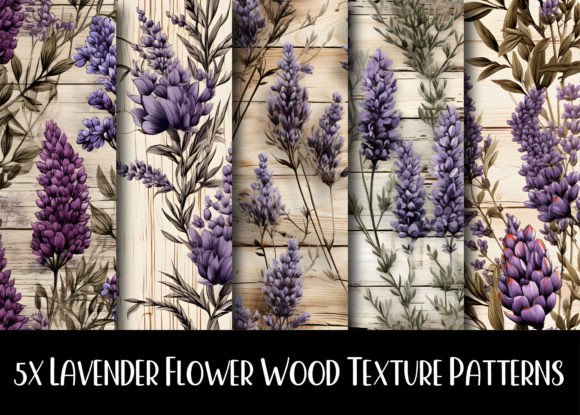
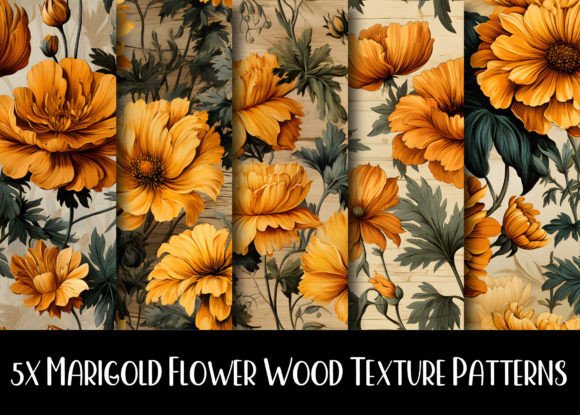
Before integrating any asset into a professional workflow, technical compatibility is paramount. The Marigold Flower Wood Texture Patterns collection consists of five distinct high-resolution images, each sized at 4096x4096 pixels in JPG format. This resolution is critical for several reasons. First, it ensures that the textures remain crisp and detailed even when scaled up for large-format printing, such as banners, wall art, or packaging. Second, the square aspect ratio provides flexibility for various digital platforms, from Instagram posts to website headers, without requiring excessive cropping that might compromise the pattern’s integrity.
When preparing these files for use, it is essential to consider color management. While JPGs are universally compatible, they are lossy compressed formats. For web use, this is generally acceptable and helps maintain faster load times. However, for high-end print materials, designers should ensure their printing process can handle the depth of color present in the marigold hues and the subtle variations in the wood grain. Testing a proof print is a recommended step in the quality control process to verify that the intricate details do not muddy together during the printing phase.
Implementation Across Digital Platforms
In web design, texture serves as a foundational layer that sets the tone for the entire user experience. Using Marigold Flower Wood Texture Patterns as a background element can transform a sterile landing page into a welcoming digital environment. However, implementation requires restraint. A common mistake is applying full-opacity textures behind text, which can reduce readability and accessibility. Instead, consider using these patterns as subtle overlays with reduced opacity, or confine them to specific sections such as footers, sidebars, or hero image masks.
For social media managers and content creators, these patterns offer a quick way to maintain brand consistency. By establishing a template that incorporates one of the five patterns as a border or background accent, you can create a cohesive visual identity across multiple posts. This is particularly effective for lifestyle brands, eco-friendly products, or artisanal businesses where the narrative revolves around craftsmanship and natural ingredients. The high resolution allows for zooming in on specific details of the marigold petals or wood knots to create abstract background elements for quote graphics or promotional announcements.
Enhancing Print Materials and Physical Products
The transition from screen to print is where the true quality of these textures becomes apparent. Business cards, flyers, and invitations benefit immensely from the tactile suggestion provided by wood and floral imagery. Even on smooth paper, the visual depth of the Marigold Flower Wood Texture Patterns can mimic the feel of embossed or textured stock, adding a layer of sophistication without the additional cost of special printing techniques.
Consider the workflow for creating event invitations. Starting with a base pattern from this collection, a designer can layer typography and vector elements on top. The rustic charm of the wood provides a neutral yet interesting backdrop, while the marigold accents draw the eye to key information such as dates and names. This approach reduces the need for complex graphic elements, streamlining the design process while maintaining a high-end look. For packaging design, these patterns can be used as wrap-around labels for products like candles, soaps, or gourmet foods, reinforcing the natural and handcrafted qualities of the item inside.
Workflow Integration and Organization
To maximize efficiency, it is crucial to integrate these assets into your existing resource library systematically. Rather than treating them as one-off downloads, organize the five patterns by their dominant color tones or intensity of the floral motif. This categorization allows for quicker retrieval during tight deadlines. When starting a new project, assess the emotional goal of the design. If the objective is to convey warmth and reliability, select a pattern with prominent wood grain. If the goal is to highlight elegance and delicacy, choose a variant where the marigold details are more pronounced.
Compatibility with design software is another factor to consider. These JPG files can be easily imported into industry-standard tools such as Adobe Photoshop, Illustrator, Canva, or Affinity Designer. In layer-based editors, utilizing blending modes like "Multiply" or "Overlay" can help the texture interact more naturally with other design elements, allowing colors from underlying layers to show through the wood grain. This technique creates a more integrated and less pasted-on appearance, enhancing the overall professionalism of the final piece.
Long-Term Versatility and Creative Expansion
Beyond immediate project needs, Marigold Flower Wood Texture Patterns offers long-term value due to its timeless aesthetic. Unlike trendy graphic styles that may become outdated quickly, the combination of wood and flowers is a classic design motif that remains relevant across seasons and industries. This makes the collection a worthwhile investment for freelancers and agencies building a reusable asset library. Over time, these patterns can serve as the basis for custom brushes, pattern fills, or even inspiration for original illustrations.
Furthermore, the versatility of these textures extends to home decor and personal projects. For hobbyists interested in DIY crafts, these high-resolution images can be printed on adhesive vinyl or transfer paper to customize furniture, journals, or wall art. This democratization of professional-grade design assets allows non-designers to achieve polished results in their personal creative endeavors. The key is to view the patterns not just as static images, but as flexible components that can be adapted, cropped, and manipulated to suit a wide array of applications.
In conclusion, the successful use of Marigold Flower Wood Texture Patterns depends on understanding their role within the larger design ecosystem. By respecting technical specifications, applying them with strategic intent, and integrating them smoothly into your workflow, you can leverage these assets to create compelling, high-quality visuals. Whether for digital interfaces, print collateral, or physical products, these patterns provide the natural elegance and structural depth needed to stand out in a crowded marketplace. The possibilities are indeed endless, limited only by the creativity and precision with which you apply them.